St Gregory's Catholic Primary School
Science
St. Gregory's Science Curriculum
St. Gregory’s Science Curriculum aims to enable children to understand the world around them through a scientific lens. In doing so, our curriculum seeks to ensure that pupils are well-equipped to go forth into their secondary education and later life with curiosity, passion and a desire for discovery.
Pupils will be taught units of work that cover and go beyond the requirements of the National Curriculum. As a result, pupils gain a deep understanding of science as a unique discipline, constituting of the three strands of biology, chemistry and physics. Alongside this, pupils also encounter a series of units that develop their understanding of Earth Science, developing their understanding of environment and sustainability. Pupils build a body of key foundational science knowledge as they work through the curriculum, asking questions and developing a sense of curiosity about the world around us. The curriculum builds disciplinary literacy for pupils, enabling them to communicate scientific understanding through diagrams and written explanations in increasing depth and complexity as they progress through the primary phase.
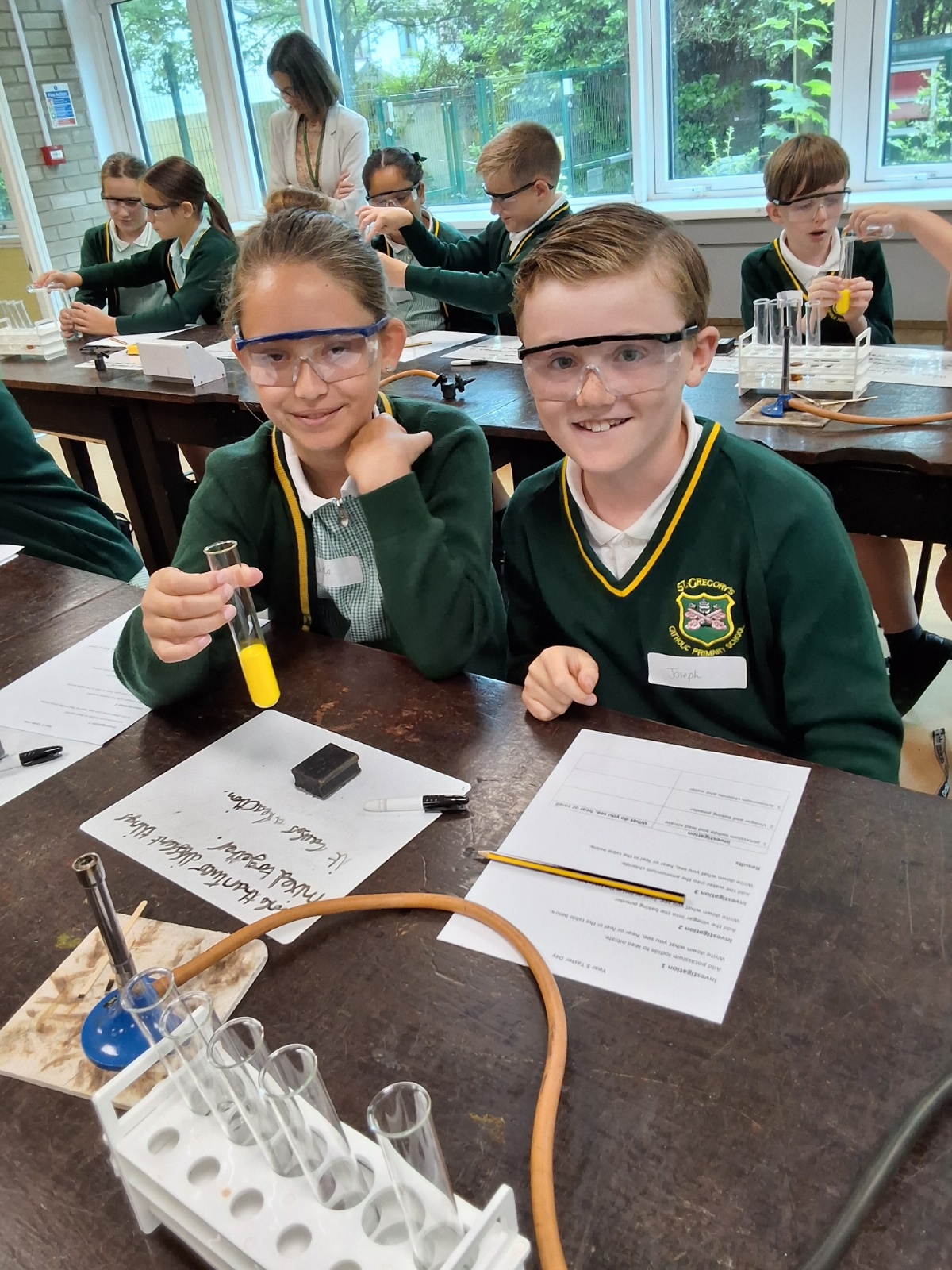
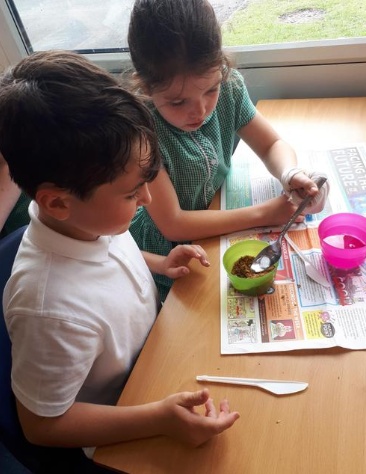
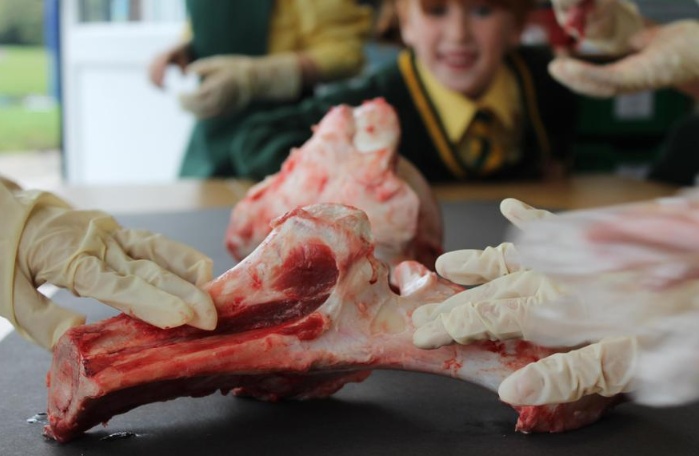
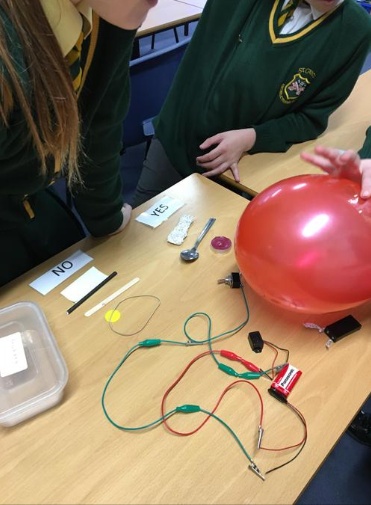
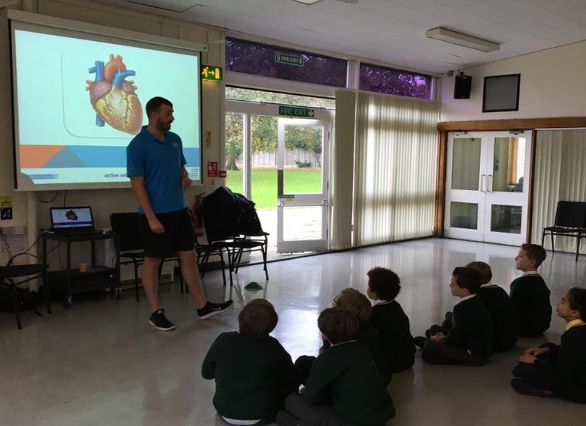
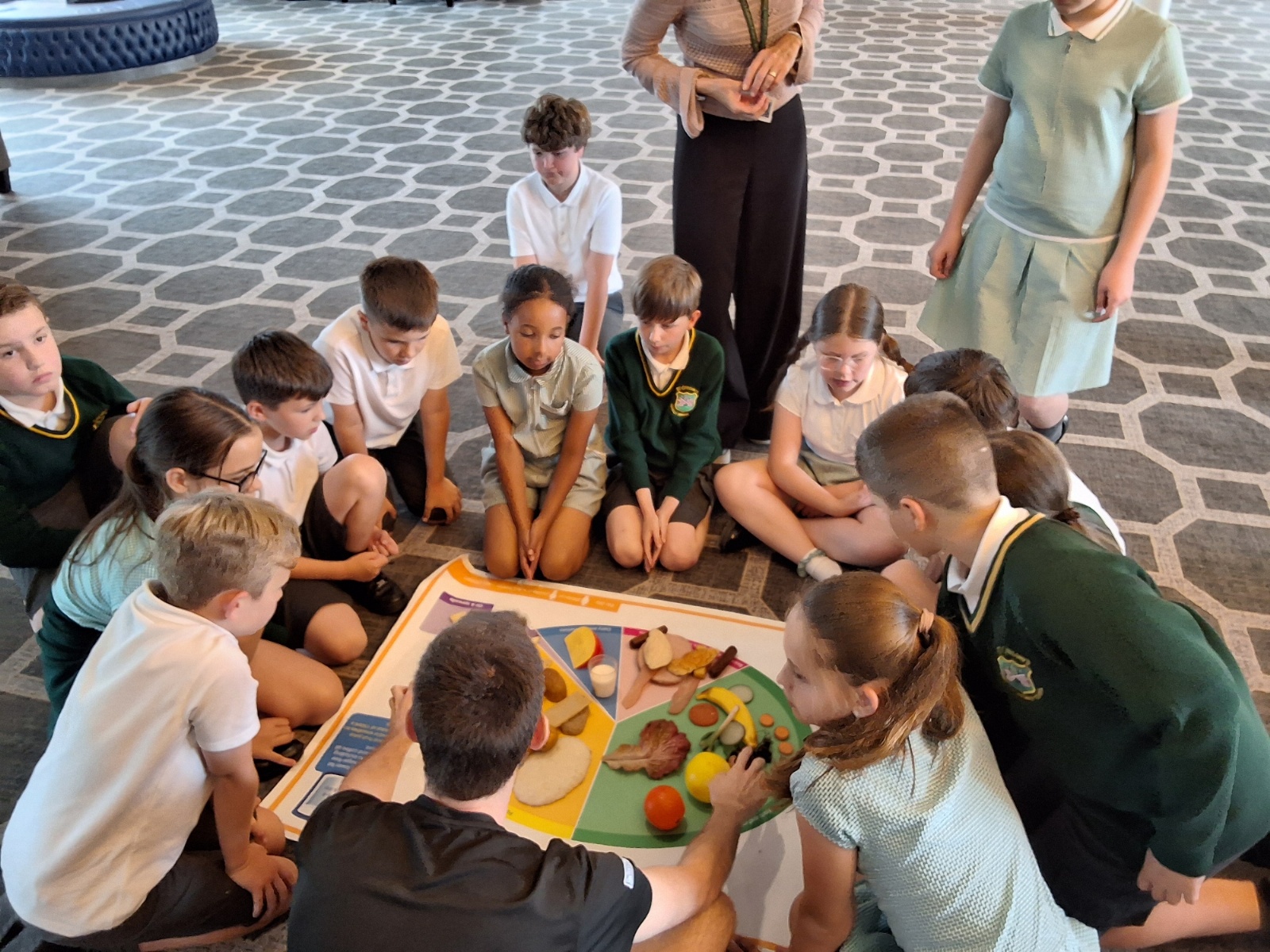
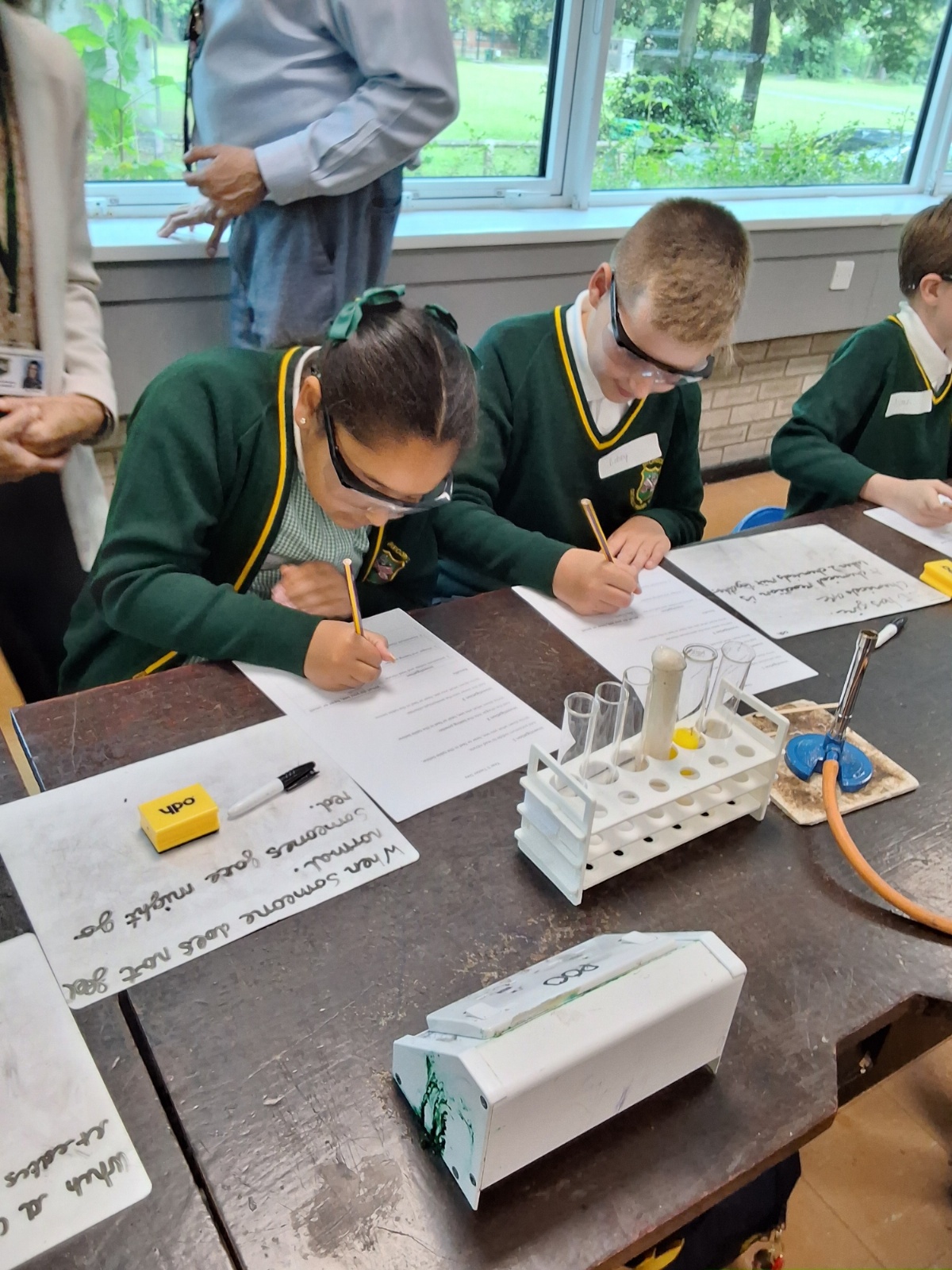
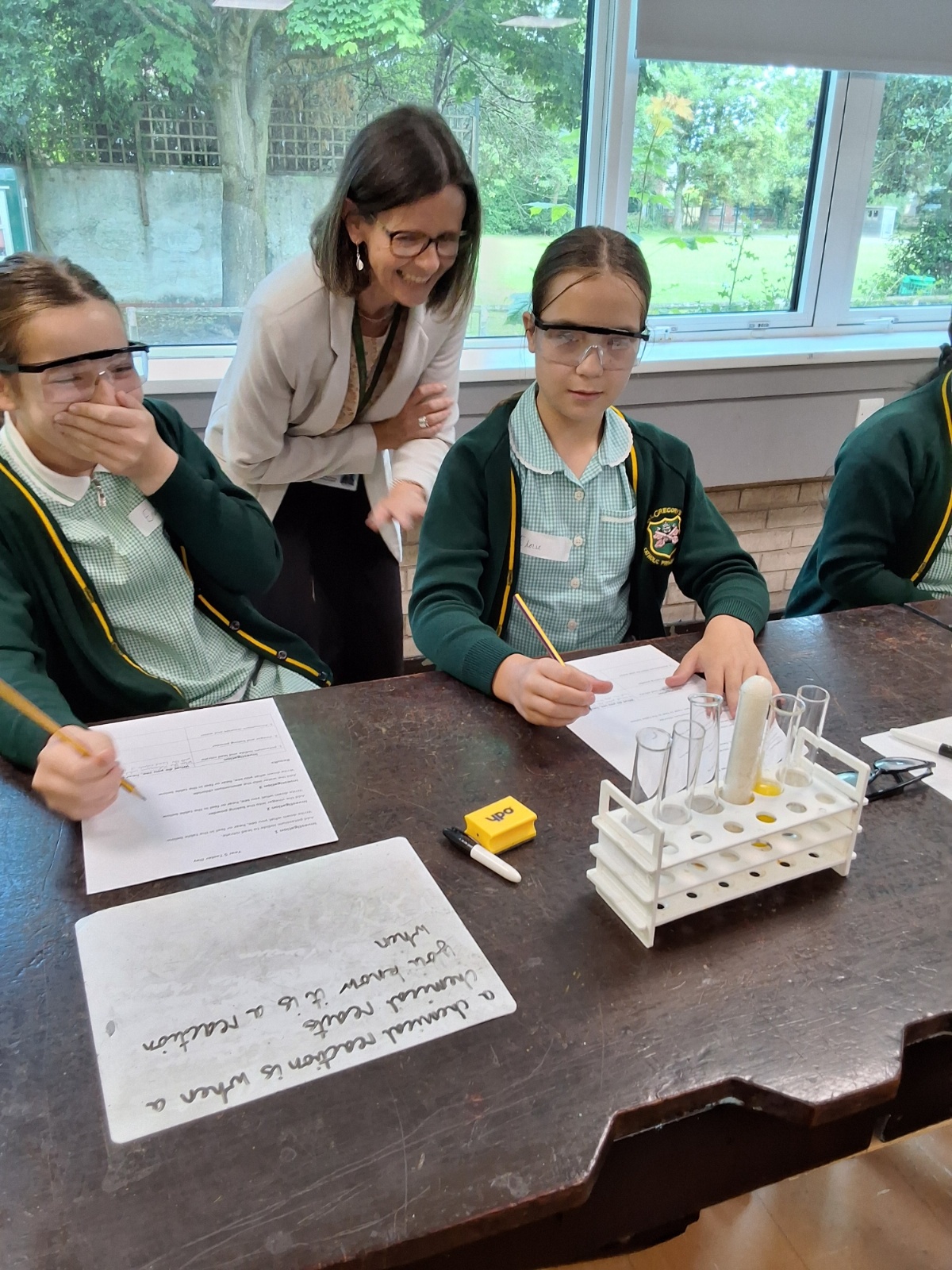
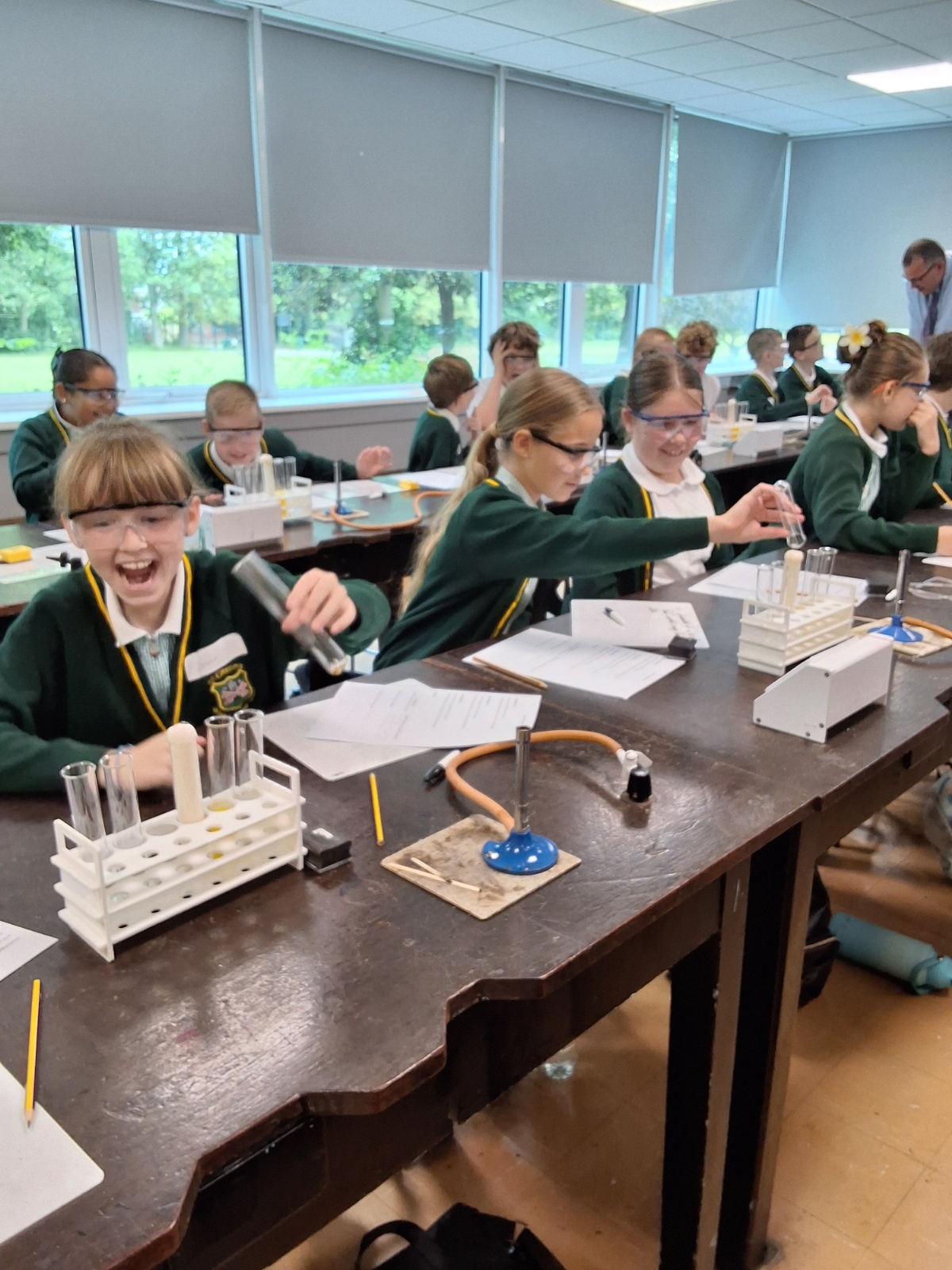
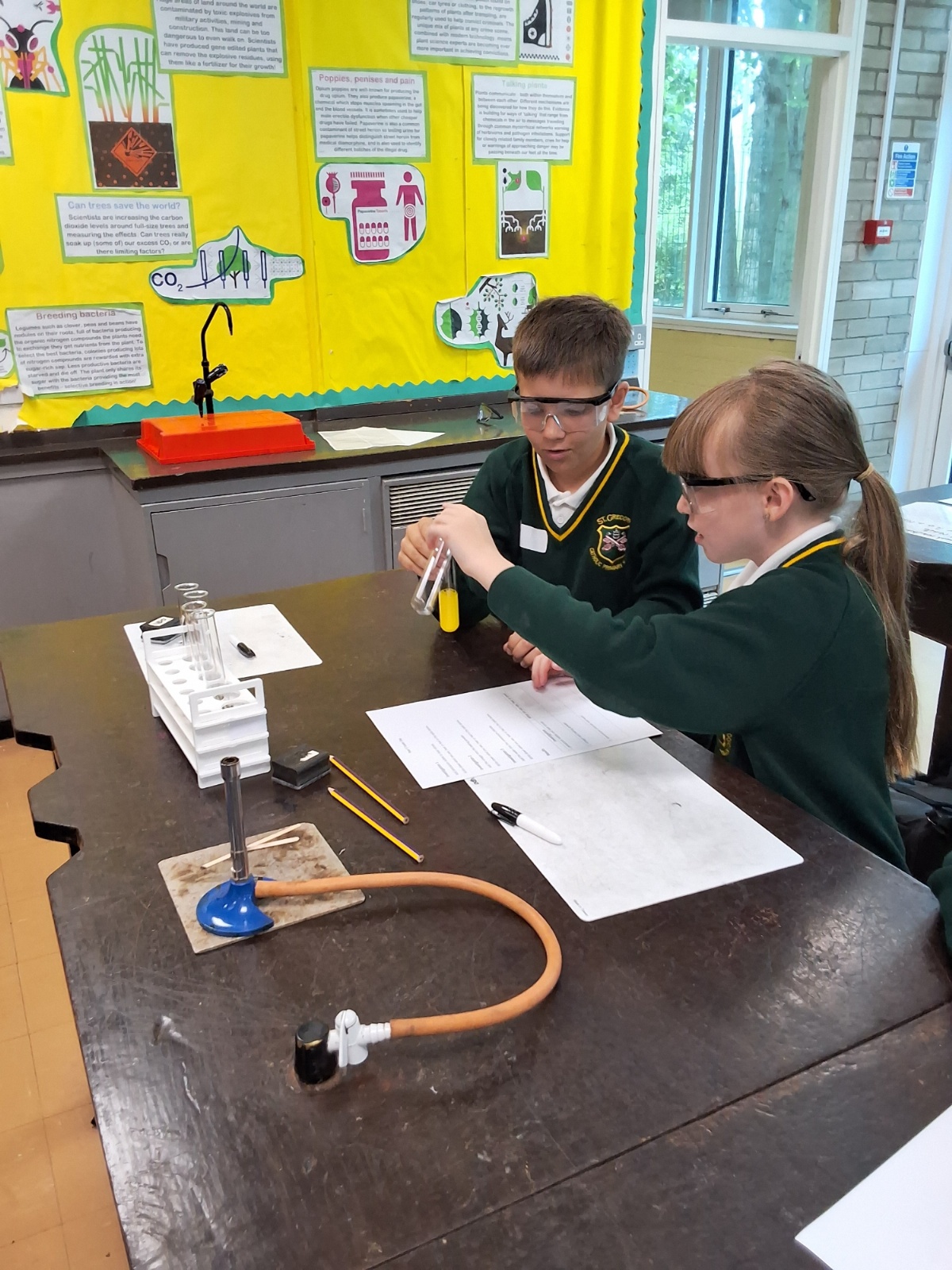
St. Gregory’s Science Curriculum builds knowledge incrementally. Pupils have multiple opportunities to secure and build upon their knowledge by revisiting subject content at carefully sequenced points throughout the curriculum. By building upon their knowledge in a cumulative manner, the curriculum ensures pupilssecure greater breadth and depth in their understanding of scientific knowledge, skills and the discipline of science. The Human Body strand, taught in all year groups, is a prominent example of how pupils’ understanding progresses over time to achieve this. This progression helps children to master the knowledge and concepts whilst simultaneously building up an extended subject-specific vocabulary that enables them to communicate their knowledge. This incremental approach helps teachers to identify knowledge gaps and easily look back at previous content to see what they need to address. Pupils are encouraged to use the knowledge they learn in science and apply it to investigations that test a hypothesis or set out to answer a question. The curriculum builds pupil understanding of disciplinary knowledge over time. Importantly, substantive scientific knowledge is taught first, before pupils are asked to undertake enquiry. This helps them to fully understand the elements of the enquiry first, and to make informed observations about the processes they see. Gathering information, recording data, graphing data and interpreting findings are all essential skills that pupils apply to new contexts as they work through the curriculum. Each of these develop the pupils’ ability to clearly communicate their scientific understanding. Disciplinary knowledge is developed through the working scientifically criteria laid out in lesson plans. To compliment this, pupils also develop their understanding of the five types of scientific enquiry: observing over time; pattern-seeking; identifying, classifying and grouping; comparative and fair testing; and researching using secondary sources. Scientific enquiries provide children with a wealth of opportunities to explore what they have learnt. Most importantly, they help to deepen pupil understanding of the nature, processes and methods of science as a discipline, and how it differs from other subjects they are studying.
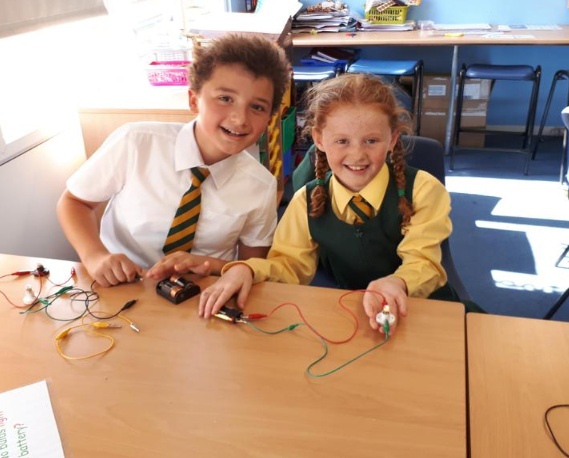
Pupils encounter people who have made significant contributions to the field of science over time, learning that science has been a quest for understanding for many years and will continue to be so in the future. They learn that the people who have contributed to science, from Ancient Baghdad to Ancient Rome and beyond, are diverse and many voices make up the history of scientific enquiry. For example, pupils learn about the work of scientists such as Lewis Howard Latimer, who invented the carbon filament that allowed Edison’s lightbulb to light up the world, and Jabir ibn Hayyan, who is thought to have invented a crucial tool for the distillation process: the alembic.